

Are you interested in transforming your house into a space that perfectly reflects your lifestyle and personal taste? A whole house remodel might just be right up your alley. It offers an incredible opportunity to reimagine your living environment, turning your property into the sanctuary you’ve always wanted. However, before diving into a project of such magnitude, it’s essential to understand the key considerations that will help guide the remodelling process.
In this guide, we will explore the essential considerations for a complete remodelling, discuss the importance of assessing functionality and feasibility, and provide expert tips to help you approach your project with confidence.
Key Considerations for Remodelling Your Whole House
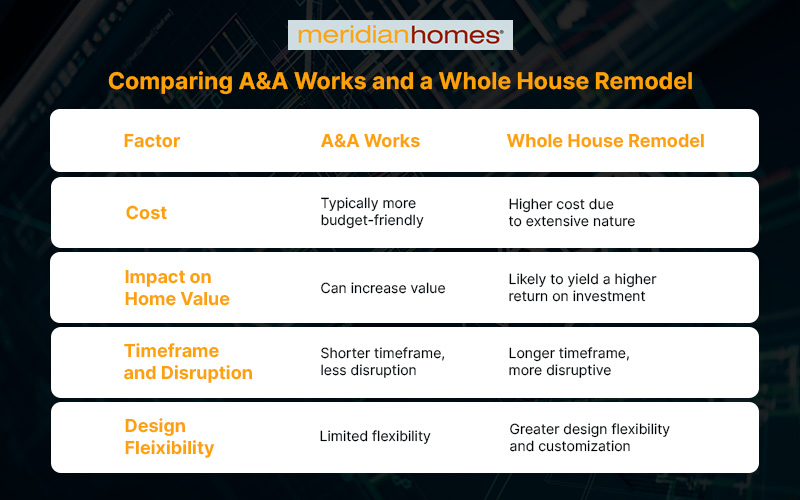
A&A Works vs. A Whole House Remodel
Before opting for a remodel, it’s important to consider all the options available to you. Addition & Alteration (A&A) works is one such alternative that may be more suitable for certain projects and preferences.
1. Project Scope
A&A works typically involve specific, limited updates, such as adding rooms, adjusting the layout, or making minor improvements like changing windows or reconfiguring spaces. These updates can modernise your house without altering its overall structure.
On the other hand, a whole house remodel is a more comprehensive renovation. This can include major structural extensions, upgrades to essential systems like plumbing, electrical wiring, data connections, and HVAC, and complete aesthetic changes. You’ll get the opportunity to completely transform every aspect of your house, from the foundation to the finishing touches.
2. Cost
While A&A works tend to be more budget-friendly, a whole house remodel generally costs more due to its extensive nature. With its much larger project scope, remodelling naturally involves more materials, labour, and time than an A&A project. Despite this, this increased cost is justified by the improvements in functionality and appearance, as well as the potential for greater long-term value.
3. Impact on Property Value
Both A&A works and whole house remodels can increase the value of your property. However, a well-executed remodelling project can greatly enhance your property’s overall appeal, attracting potential buyers with up-to-date features, modern layouts, and an improved aesthetic. In contrast, A&A works may boost value, but its impact is typically less dramatic due to its focus on specific, targeted improvements.
4. Timeframe and Disruption
With its larger scale, whole house remodels take significantly longer and can be more disruptive than A&A works. While A&A works might only require a few weeks or months, a full remodel can span several months to even a year, depending on the extent of the changes. This means that you’ll have to relocate for a much longer period, making it more difficult and expensive to accommodate.
Assessing Your House’s Functionality and Feasibility
You’ll also need to assess and consider the functionality of your existing space and ensure that remodelling is feasible. The following steps will help guide this crucial phase of home remodel planning.
1. Evaluate Current Space Usage
Take a close look at how you currently use each room in your house. Are there areas that feel cramped or underutilised? Is the traffic flow efficient, or could it be improved? For example, your kitchen may feel too small for family gatherings, or the living room layout might not be accessible or convenient for elderly family members. A thorough assessment will help you better address specific pain points and facilitate a more productive whole house remodel.
2. Identify Necessary Improvements
Next, create a list of improvements that can make your house more functional. This could involve adding storage solutions, such as built-in cabinets or clever shelving, to eliminate clutter. It may also include opening up spaces for a more connected living environment, such as combining the kitchen and dining areas to create a more inviting, open-plan space.
3. Consult for Structural Considerations
Certain remodelling plans, such as moving load-bearing walls or adding extensions, may require structural changes. A structural engineer or a qualified contractor may offer comprehensive house inspection services that can help determine whether modifications to your property’s foundation, walls, or beams are necessary to support the envisioned design. They can also advise on safety and building codes, ensuring your project complies with local regulations.
4. Consider Future Needs
When planning a whole house remodel, it’s crucial to think about the future. Will your living space need to accommodate a growing family, or are you planning to age in place? For instance, you may want to design a ground-floor bedroom with an accessible bathroom if you plan to stay on your property as you age. This will enhance the longevity and usability of your house, allowing it to continue meeting your needs for years to come.
Navigating The Remodelling Process
Now that you’ve assessed the key considerations for your whole house remodel, it’s time to dive into the actual process of bringing your vision to life. In this section, we’ll explore the essential steps involved, from goal-setting to collaborating with professionals.
Setting Goals and Visioning Your Space
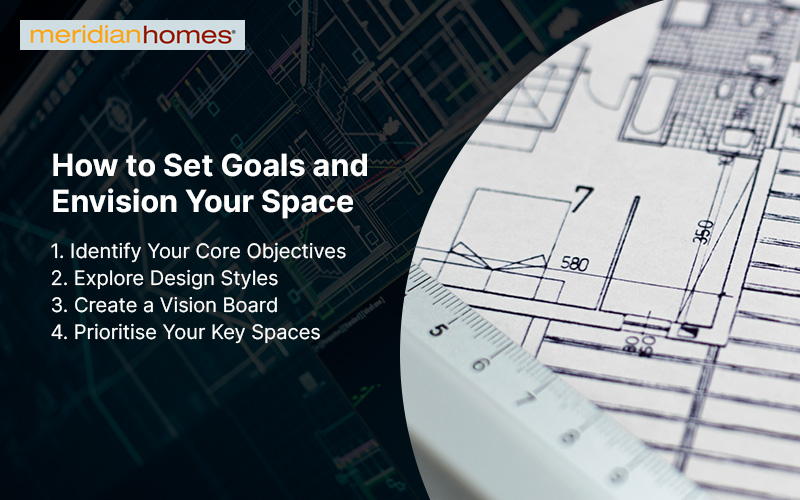
The first step in any successful remodel is identifying your core objectives and envisioning how your space will look and function.
1. Identifying Core Objectives
Clearly define what you hope to achieve with your remodelling—whether it’s increasing living space or enhancing functionality and aesthetics. Consider practical aspects, such as the need for more storage, a dedicated work-from-home area, or a better layout for entertaining guests. Having specific goals in mind will make decision-making easier, keep the project on track, and help you allocate your budget more effectively.
2. Exploring Design Styles
Inspire your choices by familiarising yourself with the different design styles available. Whether you prefer modern minimalism, Scandinavian simplicity, or an elegant Japandi style, having a clear design vision will help bring your ideas to life.
3. Creating a Vision Board
Next, create a vision board or mood board for your whole house remodel. This will make it much easier to communicate your design preferences with your team. Collect images, colours, textures, and even materials to craft a tangible representation of your vision. This will help guide the entire process, ensuring all parties involved—from designers to contractors—share a common understanding.
4. Prioritising Spaces
Not all areas of your house may need the same level of attention. Rather than spreading your budget and efforts equally across all spaces, consider focusing on those that matter most to you. For example, if you spend a lot of time cooking, you may want to allocate more budget and resources to transforming the kitchen into a more functional space. Less critical spaces can be left to the later stages of the project or for future upgrades.
Tips for Collaborating with Designers and Contractors

Working with the right team is essential. By partnering with a reputable building design company in Singapore, you can set the foundation for a successful whole house remodel. Here are some practical tips to help you collaborate effectively, ensuring a smooth and stress-free project from start to finish:
1. Choosing the Right Team
It’s important to select a firm based on its experience, portfolio, and compatibility with your vision. Take the time to review their previous projects and customer testimonials to ensure their expertise aligns with your expectations.
For a streamlined and efficient whole house remodel, consider working with a design-build firm. This approach allows for a cohesive and collaborative effort, where the designers and contractors work under a single contract to bring your vision to life. Plus, it also helps avoid miscommunication and delays often seen in separate design and construction teams.
2. Establishing Clear Communication
Set clear expectations from the outset and keep the lines of communication open, whether it’s through phone calls, emails, or face-to-face meetings. Additionally, check in regularly and hold weekly joint meetings with your team. This will be instrumental in resolving any issues quickly, keeping the project on schedule, and meeting your needs. Do also take the time to visit the site frequently, as this will give you a first-hand view of the progress and clear any doubts you may have.
4. Documentation and Contracts
Having a comprehensive contract with the design and build contractors will clarify the project’s scope, responsibilities, timelines, and payment schedules. In this contract, make sure to outline specifics like materials, milestones, and what happens if unexpected challenges arise, such as changes in budget or timelines. With everything in writing, you reduce the risk of disputes and ensure that expectations are legally bound and clear from the very beginning.
Sustainable and Smart Home Considerations
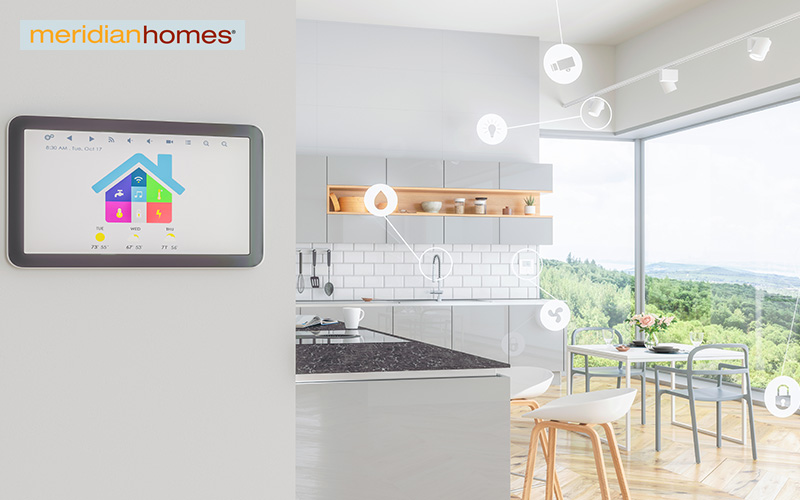
Interested in enhancing the long-term value of your property? Consider incorporating sustainable home improvements and smart features into your whole house remodel! These upgrades are not only good for the environment but can also improve your quality of life and offer cost savings in the long run.
1. Energy Efficiency
Making your house more energy-efficient is one of the best ways to reduce long-term costs. You can do so by opting for more sustainable choices, like energy-efficient lighting, LED bulbs, and programmable thermostats to lower energy consumption. You can even add solar panels or solar water heaters to utilise renewable energy and further reduce electricity bills.
2. Smart Technology Integration
Adding smart features such as automated lighting, voice-controlled assistants, and climate control in your whole house remodel can enhance convenience and security. These technologies allow you to manage various aspects of your house remotely, improving both comfort and energy efficiency. These systems can also be expanded in the future to include things like smart appliances, entertainment setups, and more, allowing you to adapt to recent trends and technologies.
3. Eco-Friendly Materials
Opt for sustainable building materials, such as reclaimed wood, bamboo flooring, and low-VOC paints, when remodelling your whole house. These materials are better for the environment, as they are sourced responsibly or repurposed, reducing the demand for new resources and minimising waste. Moreover, some eco-friendly materials can also contribute to better indoor air quality by reducing the presence of harmful chemicals and toxins commonly found in traditional materials.
4. Water Conservation
Finally, consider water-saving fixtures, such as low-flow faucets and showers, and drought-resistant landscaping. These features can help you conserve water, contributing to your sustainability efforts while also lowering your water bills. Additionally, choosing native or drought-tolerant plants for your landscaping can reduce the need for excessive watering, promoting a healthier and more sustainable outdoor environment.
Frequently Asked Questions About Whole House Remodelling
1. What are the most common mistakes to avoid in a whole house remodel project?
A common mistake is underestimating the cost and complexity of the remodel. Without proper planning, it’s easy for budgets to spiral out of control, causing financial stress. It’s also important to account for contingencies, such as time and costs associated with unexpected issues. Thorough research and working with an experienced house remodelling contractor can help you avoid these pitfalls.
2. What if I want to make changes mid-project?
If you need to make changes to the remodel during the design-build process, make sure to communicate with your team as early as possible. While changes can often be accommodated, they may lead to additional costs or delays. Ensure your contract provides flexibility for modifications and allows for fair terms.
3. What permits and regulations should I be aware of before starting my remodel?
Before beginning a whole house remodel, it’s important to understand the necessary permits and regulations in your area. In Singapore, you may need approval from regulatory bodies like the Urban Redevelopment Authority (URA). A professional design-build firm can be instrumental in helping you navigate these requirements and facilitate a smoother project for everyone involved.
Your Dream House Awaits

Remodelling your entire house is more than just a project—it’s an opportunity to transform your living space into something truly reflective of your lifestyle and aspirations. While the process may seem daunting at first, following our tips and making thoughtful decisions along the way can help you turn your vision into reality.
At Meridian Homes, we specialise in landed property remodels, renovations and new erections, blending functionality, style, and sustainability. With our team of trained architects, you can rest assured that you’re in expert hands throughout the process. Additionally, our bank-backed guarantees and comprehensive documentation will safeguard your investment, offering peace of mind along with precision and care.
Contact us to schedule a consultation and start planning your whole house remodel today.