

Building or renovating a house is one of the most exciting milestones in a homeowner’s journey, but it’s also a process filled with big decisions. One of the most critical choices is selecting the right approach to bring your dream house to life: should you choose to work with an architect or a design and build firm? This choice doesn’t just shape the project’s timeline and costs—it directly impacts your overall experience and satisfaction.
In this article, we explore the key differences between these two approaches, highlighting why design and build firms outshine traditional architecture companies for faster timelines, smoother communication, and cost efficiency.
A Guide to Design and Build Firms
What is Design and Build?
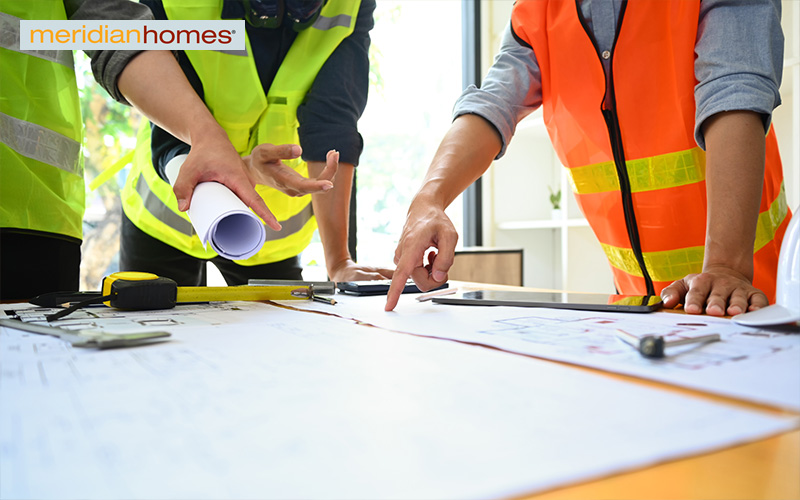
At its core, the design and build approach is all about simplifying the construction process. Here are its key features:
1. Single Contract
When you hire a design and build firm, you sign a single contract with one company that handles both the architecture and construction management. This eliminates the need to coordinate separately with architects and contractors, saving you time and effort.
2. Site Analysis
Before any work even begins, the design and build firm will offer comprehensive house inspection services. This includes a detailed inspection of the site where the foundation, structure, and any pre-existing conditions are thoroughly assessed. Based on their findings, the inspector will provide a recommendation on whether to proceed with the project as planned or if adjustments need to be made. This ensures that the project starts on solid ground from the get-go, with no unpleasant and expensive surprises down the road.
3. Concept Development
During the design phase, you’ll work closely with the design-build firm to either refine an existing template or craft a completely bespoke design tailored to your preferences. Throughout this process, the team of experienced designers and architects will provide recommendations and make adjustments to ensure it remains feasible for construction.
Pros and Cons of Choosing a Design and Build Architecture Firm
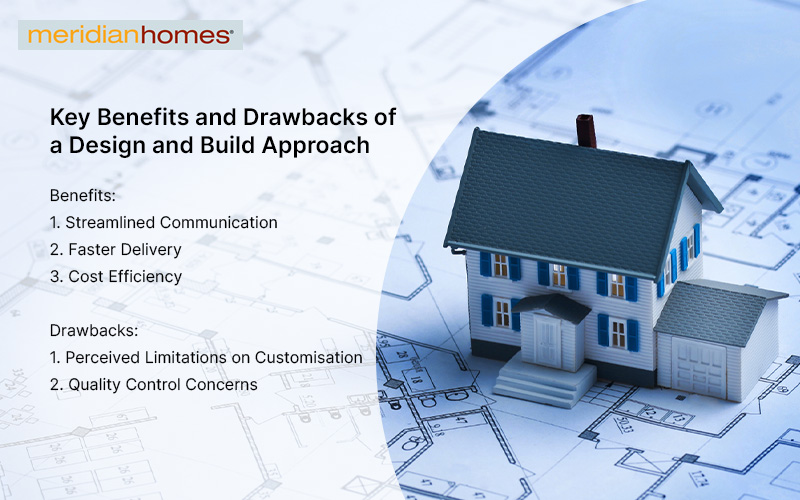
Advantages:
1. Streamlined Communication
In the traditional model, you often have to communicate separately with the architect, contractor, and subcontractors, which can easily lead to misunderstandings and delays. However, with the entire project handled by a single design and build architecture firm, all parties involved can stay on the same page from start to finish. Plus, with weekly joint meetings or site inspections, you can address any design or site-related issues promptly and keep the project on track.
2. Faster Delivery
Design and build architecture firms can offer shorter project timelines by overlapping the various phases. For example, it’s possible for construction to begin while the final design details are still being finalised. This results in significant time savings compared to the traditional approach, where each phase is completed sequentially. If you need the project completed quickly—be it for personal reasons, financial considerations, or simply the desire to move into your new house sooner—this integrated project delivery makes design-build an ideal choice.
3. Cost Efficiency
Choosing a design and build architecture firm can lead to significant savings. The team has the added advantage of purchasing goods and services directly from suppliers, cutting out middlemen and their markups to help keep costs down. Plus, these firms often have the experience and industry connections to import materials at better prices, giving you even more ways to save.
Furthermore, design and build architecture firms can provide more accurate and transparent cost estimates. Whether you’re opting for a simple home renovation or structural changes, tools like Meridian Homes’ comprehensive Building Calculator will help you get a clearer idea of the total cost of your project and plan your budget accordingly.
Disadvantages:
1. Perceived Limitations on Customisation
Some homeowners may worry that the design-build approach offers less room for personalisation or design flexibility compared to the traditional architectural model. They might be concerned that with one firm handling all aspects, their options could feel limited or too standardised.
However, many design and build architecture firms go out of their way to offer a wide range of custom home designs. In fact, you’ll get to enjoy even more flexibility, as the design and build team brings the expertise needed to find the best solutions that blend creative vision with practical feasibility. Whether you’re opting for a full landed property rebuild or partial renovation, you’ll get a truly personalised house that fits both your vision and their budget.
2. Quality Control Concerns
Homeowners might also have concerns about the lack of separate teams for design and construction, fearing that corners could be cut or the project might not receive the attention it deserves.
Luckily, you can alleviate these concerns by choosing a reputable, experienced design and build architecture firm. From the initial design to the final touches, quality control is closely managed throughout the entire process, ensuring that your house is built to the highest standards. Additionally, established firms with a proven track record often showcase a portfolio of completed projects and client testimonials. This can offer further reassurance of their commitment to delivering exceptional results.
Traditional Architecture Firms: What To Expect
Now, let’s shift our focus to the traditional architecture model. While this approach offers a different process and set of advantages, it also comes with its own set of challenges.
Exploring the Conventional Architecture Process
Unlike design and build, traditional architecture firms follow a more segmented approach, where design and construction are handled by separate entities. Here’s how it works:
1. Role of the Architect
In a conventional architecture firm, the architect plays a central role in creating the overall vision for the project. They are responsible for designing a space that not only meets aesthetic and functional needs but also adheres to regulatory requirements, such as zoning laws, building codes, and safety standards. Once the design is finalised, the architect provides detailed blueprints and specifications for the builder.
2. Client’s Role
In this model, you, the homeowner, will take on a much more active role in managing the project. You’ll act as an intermediary, managing communications and liaising between the architect and the contractor to ensure the project stays on track. You may even need to make decisions about design modifications or cost-saving adjustments, adding another layer of complexity to the process.
3. Formal Review Stages
A key feature of traditional architecture is the structured review process, which involves several formal stages to refine the design before construction begins. These stages offer the opportunity to thoroughly evaluate and review the design, ensuring that it meets both your expectations as well as any regulatory requirements. Depending on the project, this process might also involve discussions between you, the architect, engineers, and sometimes even external consultants to address any potential issues before construction starts.
Pros and Cons of Working with an Architect
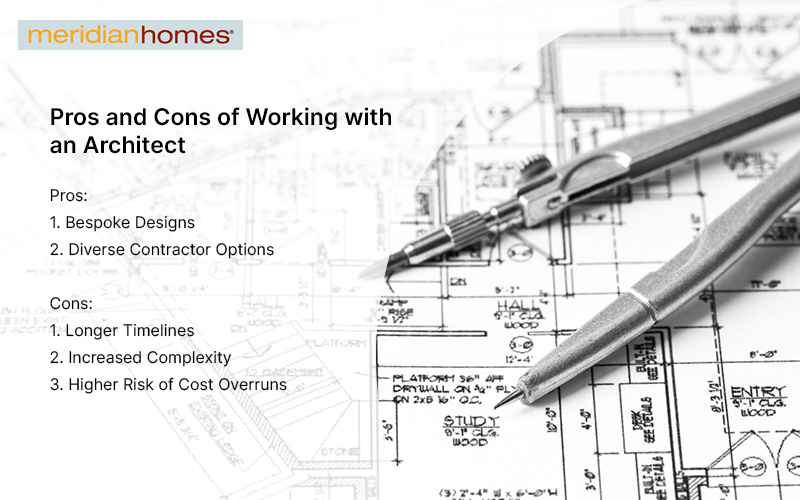
Advantages
1. Bespoke Designs
One of the main advantages of working with traditional architecture firms is the level of customisation available. Architects put a strong focus on creating something unique, ensuring that every detail, from the layout to the materials, aligns with the client’s vision. This results in one-of-a-kind houses that feel personal and special, offering you the satisfaction of living in a space that’s uniquely yours.
2. Diverse Contractor Options
The traditional architecture model gives you the freedom to select your own contractors, which provides a wider variety of options in terms of pricing, experience, and specialisation. You’ll be able to choose a contractor that best fits your vision, whether it’s one that specialises in a specific building style or offers premium materials. This not only gives you more control over who works on your property but also allows for more competitive pricing.
Disadvantages:
1. Longer Timelines:
Conventional architectural services follow a sequential process, with each phase, from design to contractor selection and construction, happening in stages. While this method ensures thoroughness, it also tends to lengthen the overall timeline. Revisions and adjustments can also cause further delays, making the timeline less predictable than in more integrated approaches offered by design and build architecture firms. This can be frustrating for homeowners eager to see their vision come to life.
2. Increased Complexity:
Managing multiple contracts and coordinating communication between different parties can make the project unnecessarily complicated. You’ll need to liaise with the architect, contractors, and sometimes additional specialists, all at once, which can easily lead to confusion or miscommunication. Additionally, this often means taking a more hands-on approach to oversee the process, which can be both time-consuming and stressful.
3. Higher Risk of Cost Overruns:
Multiple parties involved also means that changes during the construction phase often lead to unexpected costs. Unlike design and build architecture firms, where pricing tends to be more predictable and included in a single contract, traditional architecture firms may experience cost overruns as changes are made after the project has already begun. These adjustments can come from your preferences, unforeseen site conditions, or changes in material costs.
Deciding Between Design and Build or Traditional Architecture Firms
With a deeper understanding of both approaches, it’s time to make a decision. We’ll help you navigate the decision-making process, weighing the key factors that will influence the success of your project.
1. Assessing Project Needs
Take the time to evaluate the scope of your project, including its complexity, size, and the degree of customisation you envision. If your project involves unique design elements or major A&A (Addition and Alteration) works to an existing structure, a traditional architecture firm might initially seem to offer more flexibility. However, a design and build firm provides a more holistic approach, bringing the expertise to assess whether these changes are feasible and offering practical recommendations to ensure your vision can be realised.
2. Budget Considerations
The costs of both building methods depend greatly on the specifics of your project, such as its size, complexity, and the materials used. However, traditional architecture firms often work with open-ended contracts, which can lead to fluctuating costs as the project progresses, especially if design changes are made during construction. In contrast, design and build architecture firms can provide a more detailed price breakdown of the entire project, which helps you manage costs more effectively.
3. Timeline Expectations
If completing your project quickly is a priority, design and build architecture firms are usually the better option. The ability to run design and construction phases concurrently helps reduce the overall timeline, which can be particularly beneficial if you’re eager to see your house finished sooner. The more sequential process followed by conventional architecture firms can lengthen the timeline and may not be as suitable.
4. Personal Preferences
Think about how involved you want to be in the process. If you prefer a single point of contact to simplify communication, a design and build approach is ideal, as it integrates all the necessary professionals into one team. With traditional architecture firms, you’ll need to coordinate directly with various parties, such as the architect, contractors, and possibly engineers, which can require more of your time and attention. However, some homeowners may prefer having more control over the project and find this option more appealing as a result.
5. Long-Term Goals
Finally, consider how your project fits into your long-term plans, such as the potential resale value or the ability to adapt the property in the future. Design and build architecture companies like Meridian Homes focus on creating houses that are not only aesthetically appealing but also functional, sustainable, and future-proof. This ensures your house remains relevant and valuable for years to come. Although traditional architecture firms offer a more bespoke approach, they may require additional planning to ensure long-term flexibility and adaptability.
Conclusion

The decision between a traditional architecture firm and a design and build company directly affects the way your project will unfold. By streamlining both design and construction, a design and build approach cuts through the complexities, saves you time, and keeps costs under control—all while ensuring the final result aligns perfectly with your vision.
As you plan your next house-building or renovation project, consider partnering with a design-build architecture firm like Meridian Homes. With our expertise in design, renovation, and construction, we’re equipped to create personalised spaces that reflect your needs and dreams. Plus, we pride ourselves on transparency, providing clear, accurate cost estimates from the outset, so you can stay in control of your budget.
Get in touch with us today.