

You’ve found the perfect location for your dream house—a plot with great potential and an ideal neighbourhood located near key amenities. But there’s one problem: the existing structure just doesn’t measure up. Maybe the layout feels outdated, or the house doesn’t quite fit your style or lifestyle needs. Rather than settling for a renovation that might not fully address your vision, why not consider something more transformative: a complete tear-down and rebuild?
In this guide, we’ll walk you through everything you need to know about tearing down and rebuilding your detached landed house, from navigating regulations to managing the construction phase. With our tips, we’ll ensure that you’re well-prepared to create the house of your dreams.
Tear-Down and Rebuild vs. Renovation
But first, when would a tear-down and rebuild be more appealing than a renovation? Let’s explore the key differences to help you decide which option suits your needs best.
1. The Project Scope
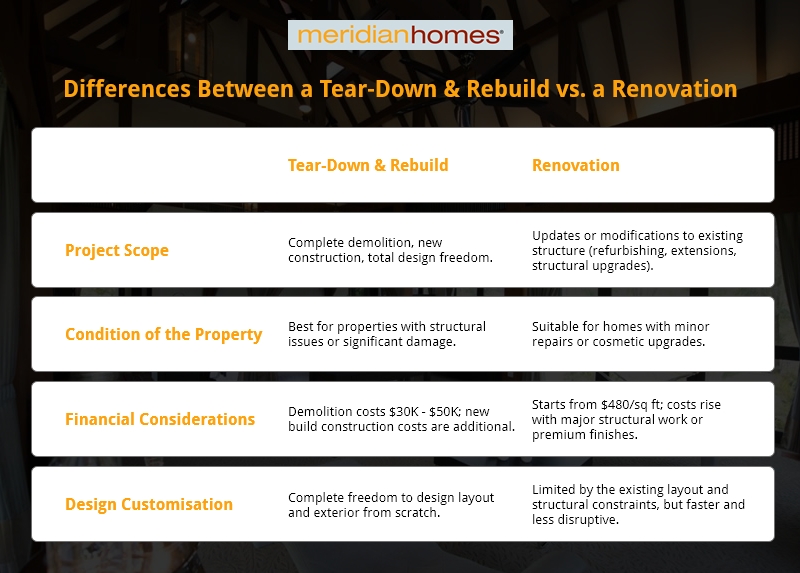
A tear-down and rebuild involves demolishing the existing structure entirely to make way for a new build, giving you the freedom to design a house that suits your needs exactly. On the other hand, a renovation typically focuses on updating or modifying the existing house, such as refurbishing the interior, adding extensions, or enhancing structural elements.
2. Condition of the Property
The condition of the building will also play a significant role in determining whether a tear-down and rebuild or a renovation is the better choice. If the house has structural issues, outdated systems, or requires extensive repairs, a tear-down and rebuild may be a more cost-effective and practical solution in the long run.
In contrast, minor issues or cosmetic updates that don’t affect the overall structure may be better addressed through a renovation, allowing you to refresh the house without the added costs and disruption of starting from scratch.
3. Financial Considerations
One of the most important factors to consider is the costs of each option. The cost of demolishing a detached landed house with multiple floors typically ranges from $30K to $50K. Renovation costs, on the other hand, start at around $480 per square foot of gross floor area. It also includes both construction and the necessary updates to systems, finishes, and structures. However, do note that renovation costs can be substantial if major structural changes are needed, or if premium materials are used.
4. Design Customisation
The best part about a tear-down and rebuild is the complete design freedom it offers. Everything from the layout to the exterior can be customised to suit your vision. That being said, this option can be more time-consuming and disruptive.
Renovations can be quicker, especially when the core structure is sound, but they do have limitations. Your house remodelling contractor will have to work with existing layouts or building constraints, which can hinder their ability to create a custom house design.
Weighing the scope, condition, costs, and design flexibility of each option will help ensure you make the best decision for your dream house.
Initial Considerations during a Tear-Down

If you’ve decided that a tear-down and rebuild is exactly what you’re looking for, it’s time to get into the nitty-gritty of things. Here’s what you’ll need to consider before tearing down the existing structure:
1. Site Assessment
First, a professional inspector will carry out a detailed site assessment, looking at factors like soil stability, drainage, and any environmental issues that could affect the construction. This will help uncover any hidden challenges that might lead to unexpected costs or complications during the rebuild. Once the assessment is complete, the inspector will advise you on whether to move forward with the tear-down and rebuild or consider other options.
It’s also important to make sure your planned design complies with the latest Urban Redevelopment Authority (URA) guidelines. Older properties may have been built under more lenient regulations, and some parts of the original structure might not meet the stricter standards in place today.
2. Timeline Planning
Next, plan a realistic and comprehensive timeline for your tear-down and rebuild project. Your timeline should cover every phase, from demolition to design and construction. It should also account for potential delays, which often arise from requirement changes or decisions that arise midway through the project. These adjustments can impact the schedule, so make sure to be flexible with your estimations.
3. Impact on the Neighbourhood
With construction noises, changes in sightlines, and dust, tearing down and rebuilding a house will inevitably affect your neighbours. Communicating with them can help smooth over some of their concerns and set expectations for how long they can expect the disturbances to last. Additionally, it’s worth factoring in additional time for delays, especially if your neighbours have specific needs, such as an upcoming exam period for children. Being considerate will go a long way in fostering good relationships, as well as minimise disruptions to your rebuild.
4. Permits and Approval
Tearing down an existing house and rebuilding requires obtaining several permits and approvals from the authorities. This typically includes following demolition guidelines, obtaining building permits, and complying with specific requirements. It’s essential to ensure that you or your contractor have secured these permits before proceeding. Doing so will ensure compliance with regulations and help avoid delays or potential penalties.
Legal Restrictions and Regulations
While your design and build agency will take care of most of the legalities for you, it’s always useful to have a basic understanding of the restrictions and building regulations that might affect your plans. Here’s a quick overview:
1. Development Control Parameters
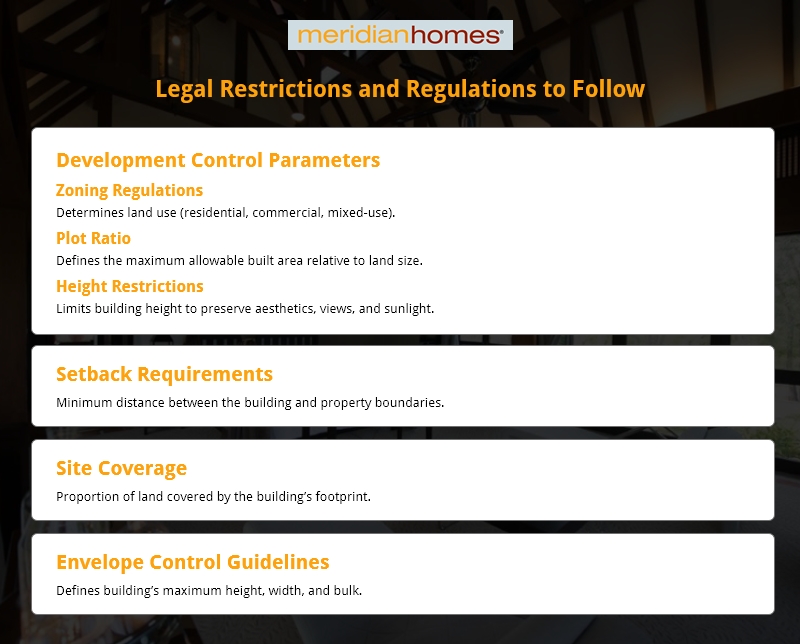
These regulations govern how land can be used and developed, keeping everything orderly and preserving the neighbourhood’s character.
-
Zoning Regulations
Zoning regulations determine the types of buildings and land uses allowed on a property. Each plot is assigned a specific zoning category, such as residential, commercial, or mixed-use, with each type having its own set of rules. Detached landed properties are typically classified under Residential (R), which may have further subcategories like R1 or R2 depending on the density and type of housing intended.
-
Plot Ratio
Plot ratio defines the maximum permissible gross floor area (GFA) relative to the size of the land, determining how much space can be built. This affects the overall size and footprint of the house. However, single-building homeowners need not worry—plot ratio regulations primarily apply to developers or those building multiple houses on the same land.
-
Height Restrictions
As the name suggests, this regulation limits how tall a new structure can be. This ensures that buildings do not disrupt the environment, obstruct views, or block sunlight to neighbouring properties. Height limits differ based on zoning classifications, with residential zones often enforcing stricter rules to preserve the area’s aesthetic and character.
2. Setback Requirements
Setback requirements refer to the minimum distance between a building and the property boundaries, including its front, side, and rear. For example, the front setback determines how far back a house must sit from the street, ensuring a consistent streetscape. On the other hand, side and rear setbacks preserve privacy for both the homeowner and their neighbours.
However, do note that setback regulations can differ depending on the property’s zoning categorisation as well as the area’s development plan. It’s best to check with the URA or any relevant authorities to determine your site’s specific setback requirements.
3. Site Coverage
Site coverage is the proportion of land covered by the building’s footprint. Recent regulatory changes have reduced the site coverage limits for detached houses, which means less space can be built on the plot. Homeowners must carefully consider these restrictions during the design phase, as exceeding the maximum limit can result in costly alterations or even get your permit rejected.
4. Envelope Control Guidelines
These guidelines define the maximum height, width, and bulk of a new building, ensuring it doesn’t overpower the surrounding area and instead blends into the neighbourhood. They may even be additional controls dictating external design elements (such as materials, colours, and even styles).
House Design Mistakes to Avoid
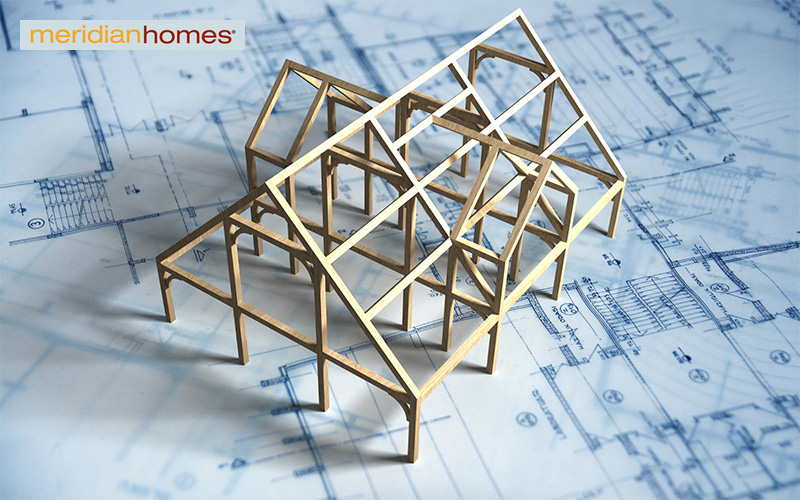
Aside from navigating regulations, design is a key element that can truly shape your tear-down and rebuild project. Designing your future house is an exciting opportunity, but it’s important to avoid common pitfalls that could turn your dream into a costly and frustrating challenge.
1. Neglecting Functional Layout
It’s easy to get caught up in the aesthetics of a design, but ignoring the practicality of your layout can make everyday living challenging. A well-designed house should flow naturally, with rooms that make sense in terms of size and placement. Focus on how each space will connect and serve its purpose, and make sure that the overall layout is functional and easy to navigate.
2. Overemphasis on External Design
While it’s tempting to allocate most of your budget to the external appearance of your house, remember that the interior is where you’ll spend the majority of your time. At Meridian Homes, our house design architects emphasise designing from the inside out. Once your interior is carefully planned, you can then turn your attention to the external aesthetics, ensuring your living space is as functional as it is beautiful.
3. Ignoring Natural Light and Ventilation
It’s easy to take natural light and ventilation for granted in our everyday lives. However, they are both essential design aspects that can affect our mental and physical health. For example, poorly lit, stuffy rooms can feel cramped and unwelcoming, affecting the mood and atmosphere of your house.
4. Forgetting About Storage Solutions
Good storage is essential for maintaining a tidy and organised house, but it’s easy to overlook this aspect in the design process. Without enough storage, clutter can build up, making your living area feel chaotic and cramped. Plan ahead for built-in storage options like cabinets, shelves, or multifunctional furniture that doubles as storage. These solutions help keep your space organised, ensuring it remains both visually appealing and functional.
5. Not Considering Future Needs
Your lifestyle, family size, and daily routines can change over time, so it’s wise to design your detached landed house with the future in mind. Whether you anticipate needing extra bedrooms, a home office, or more storage, planning for these potential changes can save you the hassle and expense of major renovations later.
How to Manage the Construction Phase
Once the design has been conceptualised, revised, and finalised, it’s time to proceed with construction. Here’s what you’ll need to consider during the reconstruction process:
1. Choosing the Right Contractor

Selecting the right landed property contractor is one of the most crucial decisions for your tear-down and rebuild project. A skilled and reputable firm with experience in tearing down and rebuilding detached landed houses will have the expertise and resources necessary to plan and coordinate every aspect of the build.
Unfortunately, the industry is often plagued by inexperienced builders who struggle with critical elements like noise control, servicing, and design details, leading to costly delays and subpar results. This is why being thorough in your selection is essential. Take the time to check their credentials, references, and past projects to ensure they have a proven track record of delivering quality work. Remember: a careful choice now can save you from unexpected headaches down the road.
2. Communicate Clearly
Clear communication is key to the success of any project, tear-downs and rebuilds included. As a houseowner, you should stay involved at all phases and maintain regular contact with the team. For example, consider organising weekly meetings to ensure that everyone is on the same page and address all concerns. Don’t hesitate to communicate your expectations and provide feedback; this will help avoid misunderstandings and keep the project on track.
3. Quality Control Measures
To ensure that your tear-down and rebuild project meets both design specifications and industry specifications, quality control is vital. Regular site inspections, backed by detailed checklists, allow you to identify potential issues before they escalate. Frequent checks will help keep the quality consistent throughout the entire build, from the foundation to the finishing touches, and prevent costly fixes.
4. Dealing with Delays and Challenges
Construction management comes with its fair share of unexpected challenges, such as bad weather, material shortages, or other unforeseen complications. It’s important to anticipate these potential obstacles and have contingency plans in place to keep the project moving forward. For example, you can mitigate the impact of delays by having alternative suppliers on hand. Having flexible timelines will prevent unnecessary stress and enable you to adapt more easily when issues arise.
5. Budget Management
Smart budgeting is essential to avoid overspending on your tear-down and rebuild project. Track expenses regularly and keep a close eye on budget allocations—this will help you stay on top of things and within your financial limits. It’s also crucial to insist that your architect or project manager tracks every expenditure and provides transparent reports. This level of oversight will allow you to maintain control over your spending, preventing surprises and keeping the project within budget.
Frequently Asked Questions About Tear-Down and Rebuilds in Singapore
1. How can I modernise my house?
To modernise your landed house, start by updating both the inside and outside. On the inside, think about adding contemporary finishes, an open floor plan, and a minimalist style to give your space a fresh, modern look. On the exterior, consider boosting its curb appeal with new materials like cladding or a coat of paint. This will refresh the facade and make your house look more eye-catching.
2. What hidden costs should I be aware of during the tear-down and rebuild process?
Aside from the obvious construction costs, you might need to factor in professional fees for architects, engineers, and other consultants. Be prepared for site-related expenses, such as land surveys or soil testing. Unexpected structural issues can also pop up, leading to additional costs. Finally, utility connection fees, landscaping, and other miscellaneous expenses can all add up to give you an unpleasant surprise at the end of the project.
At Meridian Homes, we always stress the importance of budgeting for the full scope of the project—not just the building costs—so you’re not caught off guard by these extras.
3. Should I hire a project manager for my landed house tear-down and rebuild?
While it’s not a must, hiring a project manager can really help keep things on track, especially for larger houses. They can coordinate all the parties involved, ensure everything stays on schedule, and make sure the budget is being followed.
Another option is to work with a design and build firm like Meridian Homes. We handle both the design and construction phases, so you don’t need to juggle multiple parties. With weekly meetings on- and off-site as well as fully transparent practices, we’re here to make sure the project stays on target from start to finish.
Conclusion
A detached landed house tear-down and rebuild is a significant undertaking, but with careful planning and the right team, you can create a house that perfectly reflects your lifestyle. By following the steps outlined in this guide and seeking expert advice, you’ll be able to embark on this exciting journey towards achieving your dream house.
At Meridian Homes, we’re here to make that journey as seamless and enjoyable as possible, walking you through each step and ensuring everything aligns with your goals. From navigating legalities to managing the build, we’ve got you covered. All you have to do is sit back, relax, and watch your perfect house come to life.
Have questions or need expert advice? Contact us today.